Bonaire and Curacao. Both part of the ABC islands of Aruba, Bonaire and Curacao. Originally all Dutch territories, they’ve changed over the years to each become their own thing. My #1 advice is to think about the vacation you want and then go to the island that fits it, rather than going for the notch in the island belt. I can’t speak for Aruba, which I hear is very Americanized, but both Bonaire and Curacao are vacation-rental type islands, stemming from their long relationship with the Netherlands. They are not all-inclusive, pay for an excursion type of places. If you want that, I would suggest considering other places. The value in both spots is the walk-off-the-beach access to reefs, which safes boat fees and leads to a more reliable water experience (as opposed to Florida Keys, where almost all reefs are excursion-based. Three-foot waves? I’m not going).
Me? I’m a former competitive swimmer, citizen scientist, former lifeguard, baby freediver, and photographer.
Way back when, each island renegotiated their relationship with the Dutch government. Curacao gets money from the Netherlands, but does more of their own governance. Bonaire has its own governor, but basically has greater connection to The Hague, as they say, with the idea they also get governing help and more money. Does this translate into different things? I think so. It means that Curacao is going all-out on mass tourism as well as carving up their land and selling to the highest bidder. Bonaire is more conservative, and recently put a hold on issuing new building permits. Bonaire has more wild coastline, and to date, appears to be doing a slightly better job of protecting it. Bonaire has a giant marine part surrounding most of the island. Fishing is with excursions or for lionfish. Curacao has no particular protected area. They also do not allow spearfishing.
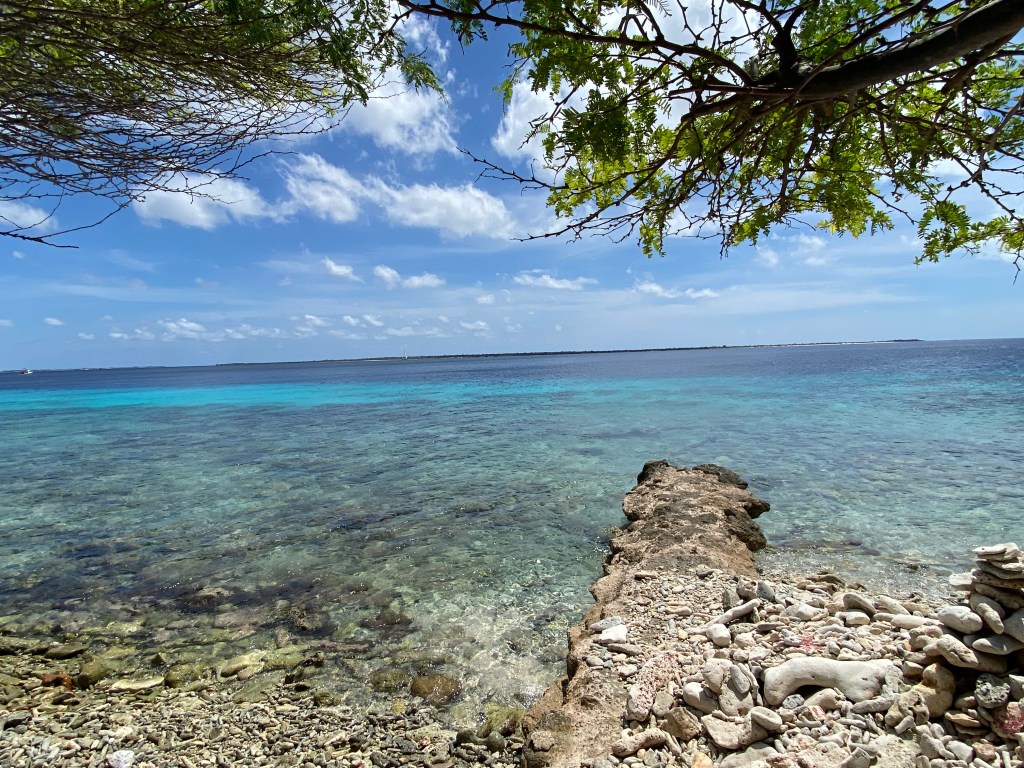
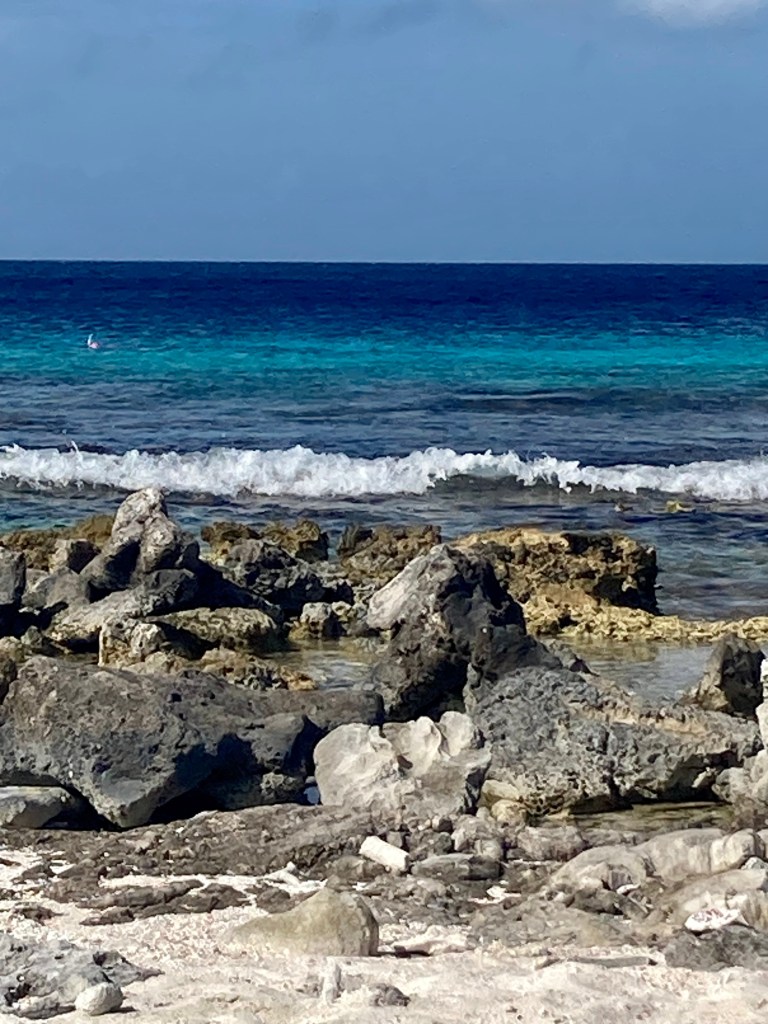
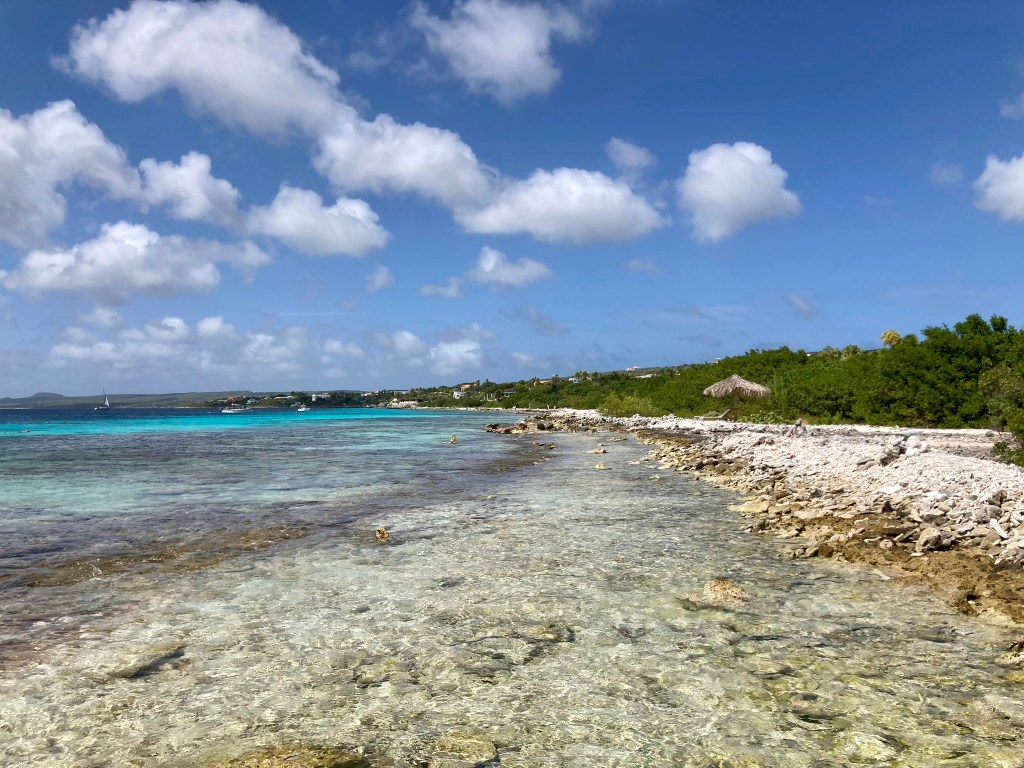
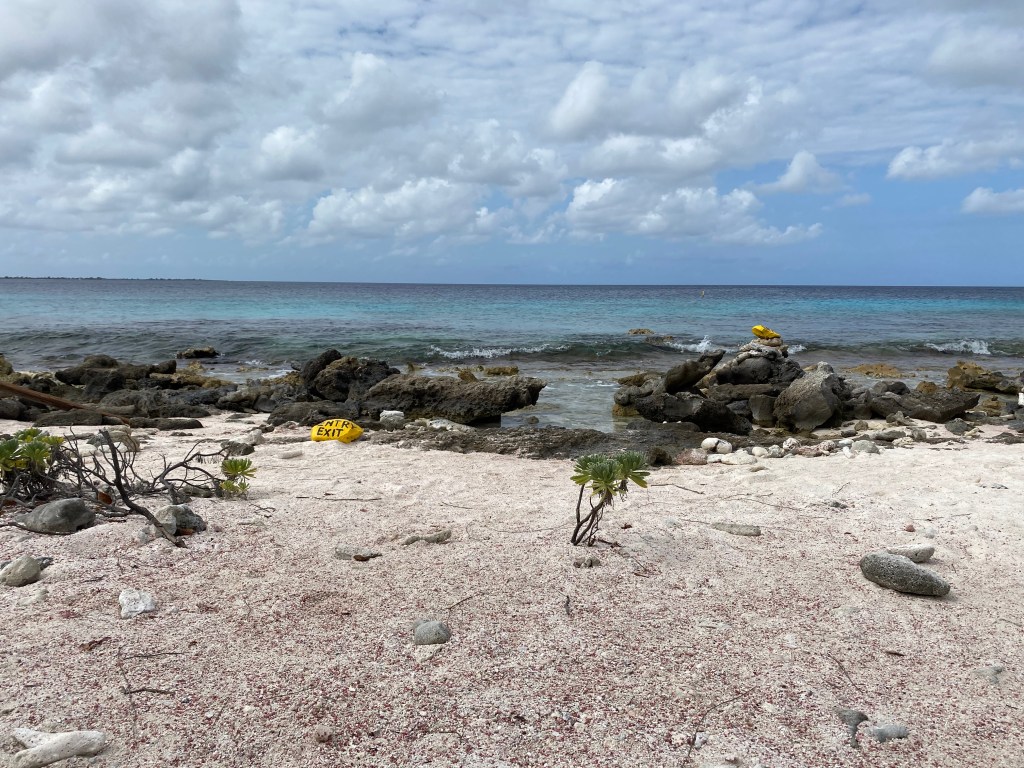
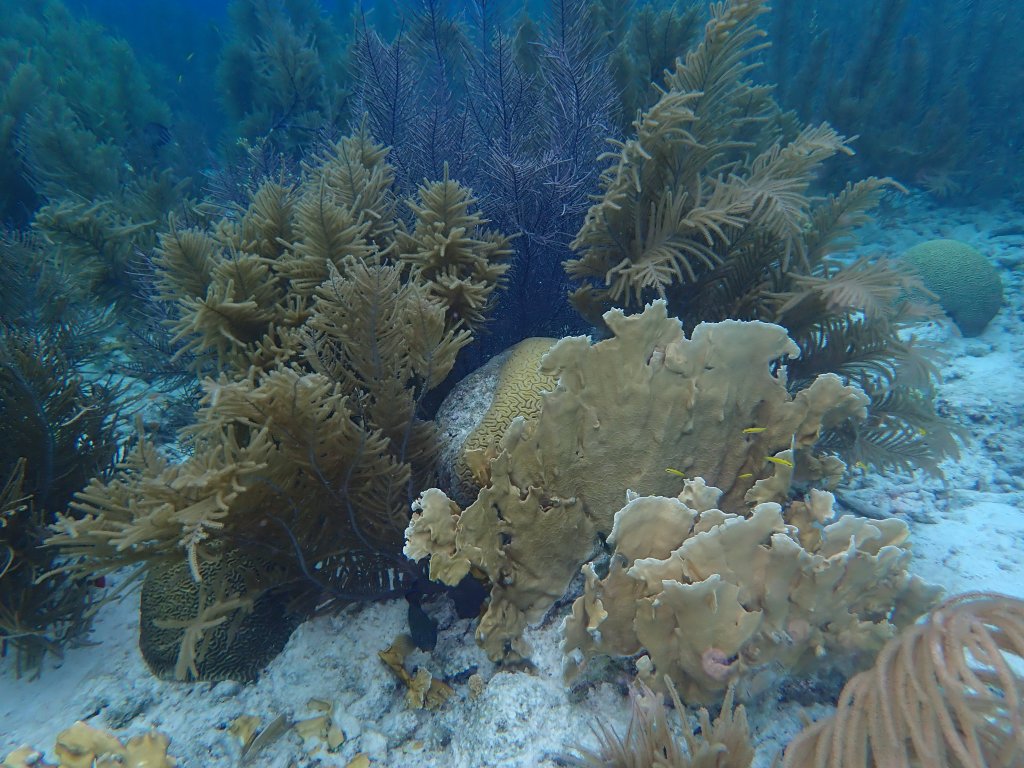
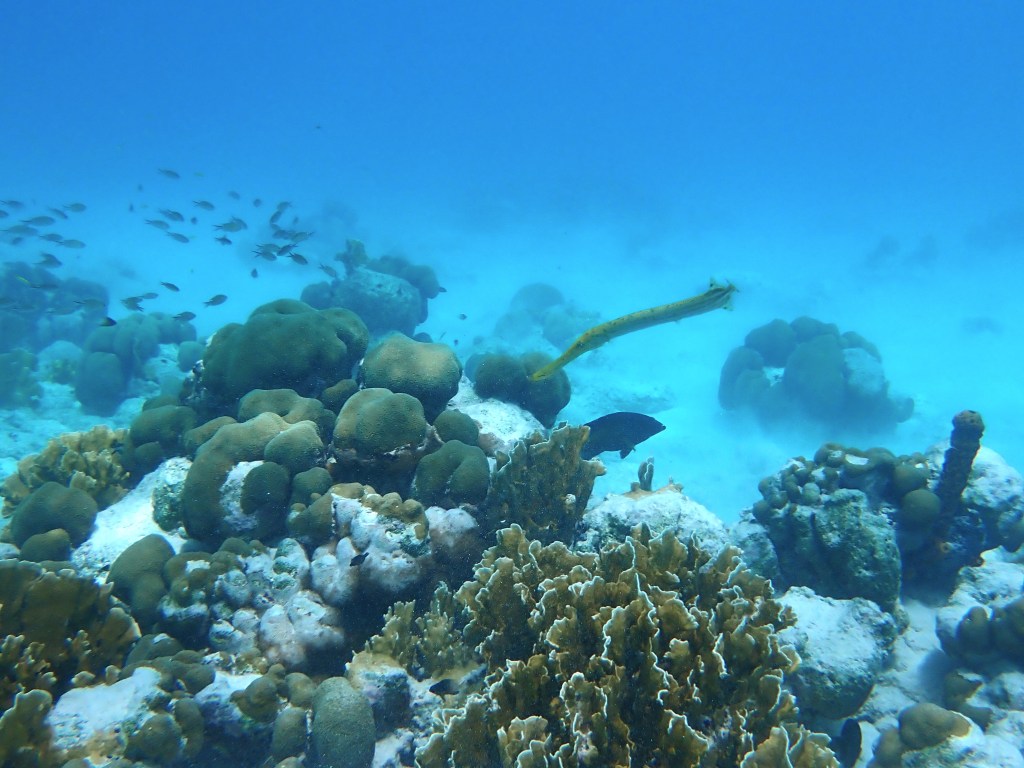
Why do I care about these kinds of issues? Because everything is related. That coral you come to see is affected by development and run-off. Those fish you come to see are affected by harvest numbers and size limits. That beach you want to sit on? Sandy beaches don’t go great with coral. What does go great with coral is scrub bushes and mangroves up to the shore, because it protects it from sediment and pollution run-off in rainstorms (ask Hawai’i how it knows this). Bonaire is terribly rocky and largely consists of ‘iron shore,’ a term used to describe a mix of rocks and broken coral. Curacao has far more sandy shores. When wind comes up (as it thankfully does), sand gets dispersed in the waves, making for better or worse water quality. It’s also important for coral growth–some cloudiness might have a sunshine protective effect, but too much cloudiness prevents a coral from getting it’s sunshine.
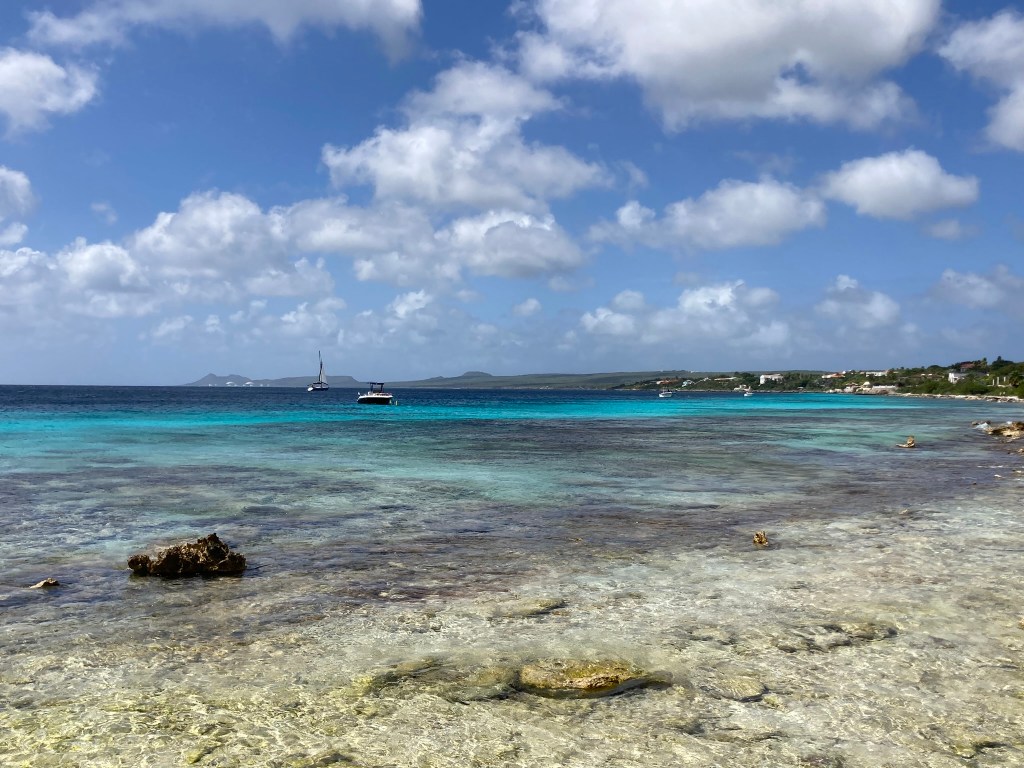
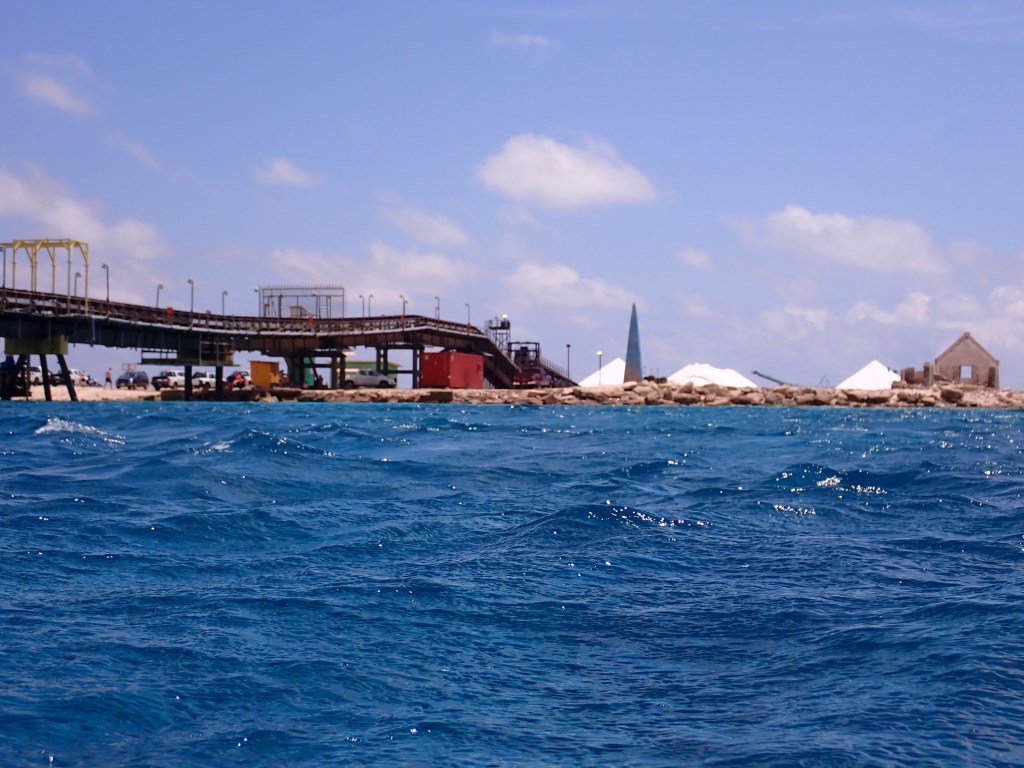
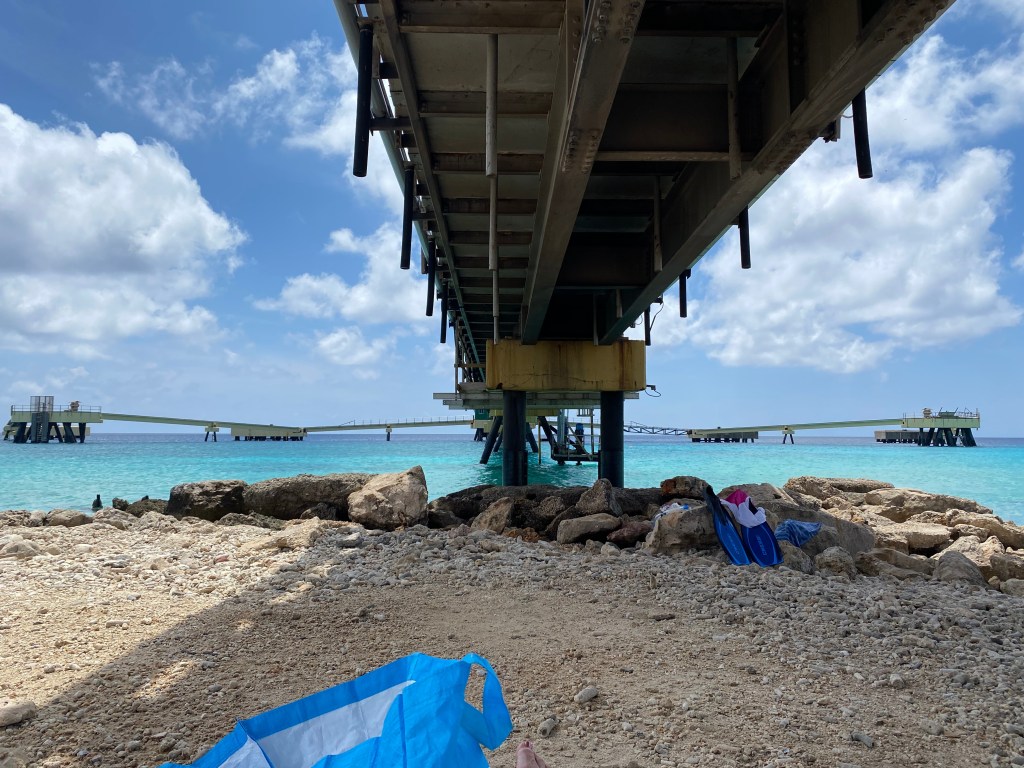
Water: Bonaire is largely a curved shoreline, but without many ‘inlets.’ Curacao, on the other hand, has quite a few carved into its shoreline. This makes the snorkeling much easier, being protected by wave surge and wind. Bonaire is less protected, and indeed, the bottom half of the island is largely a straight open shore. You will be snorkeling in open water. To date, Maui has been my standard for tough snorkeling. Between the surge and the current, it was *work* to snorkel there. Bonaire and Curacao? Easy-peasy in comparison–in places. Curacao is largely easy-peasy on the western shore. But you have to feel comfortable following the cliff lines, which means going around bends away from the beach. Bonaire, well, the current doesn’t feel *significant* in most places, but it is there, increasing as you go to either the northern or southern edges of the west shoreline. As a competent swimmer, I take a careful approach towards the southern half of Bonaire (basically anyplace south of Salt Pier) and of Curacao (Tugboat is protected, but I haven’t gone around the edges there yet).
Shore: As mentioned, Curacao has inlets. Lovely, sandy inlets for the most part. Bonaire is almost entirely ‘iron shore,’ a term that means broken coral and limestone. Even the ‘sand’ in some places is more like ground-up coral and limestone. Soft sandy beaches? Found more often on Curacao and, I am told, Aruba. My guess is it has to do with the wave action and the ability for the shore to keep it’s sand during storms. Curacao’s inlets are more helpful here. Bonaire, with it’s wide-open shoreline, has only a couple, aside from artificial beaches that have to be replaced after storms (looking at you, Chogogo). Te Amo, Bachelor’s Beach are the two main, public access ones that are sandy. What do I do? I wear water shoes into the water, then change into my fins. Yes, it’s cumbersome. But I freedive and need those fins.
Getting Around: Both places have well-maintained main roads. By ‘main,’ I mean the ones traversing most of the country. I need a car to get to all the different snorkel sites I am going, and to the grocery. Curacao has an underdeveloped taxi system, and I am not sure Bonaire has any. People rent scooters, but traffic goes faster than most scooters. Dutch people love to bike, and when I noted a couple biking back to their place without helmets and lights yesterday evening, I was scared for them. In Bonaire, many roads are virtually one way, and you pull over and drive on the edge or wait if someone is coming the opposite direction. Main roads keep to the philosophy of minimalism and have just enough space for two cars side by side. Golf carts? Sure, but they’ll mark you as a tourist, you’ll be hot, unable to keep up with traffic, limited to day hours and subject to rain from passing showers. Again, locals don’t have tolerance for this, and will try to pass. In my car, I got passed twice last night, while going speed limit.
Where To Stay? By the end of this year, I will have gone to Bonaire twice and Curacao once. Until this year, I have always stayed in some version of an AirBnb. A house, villas, a bed and breakfast, an owner-occupied house. Both places are about the outdoor living, so I look for a large porch or outdoor pool. I don’t do resorts because I am an introvert and love peace and quiet. Almost no houses have central air, but with good design, you don’t need it. Almost all bedrooms have A/C, done with an AirCo machine, and those have been enough to cool me down to sleep if needed. A/C is hugely expensive and each island is reliant upon importing their energy–there’s a real deficit of wind and solar here–so only places catering to Americans and businesses have it. My routine is to go to the grocery on the first day, get a car, grab a list of under 15 essentials, then hit the water. People say they don’t want to cook or do dishes, but I do minimal of either–I wash the dishes I use and the only thing I ever cook is eggs or grilled cheese if I want a change from a cold sandwich.
My advice to you? Think about what your goals are and what you are prepared to deal with.
Handy chart
| Bonaire | Curacao | |
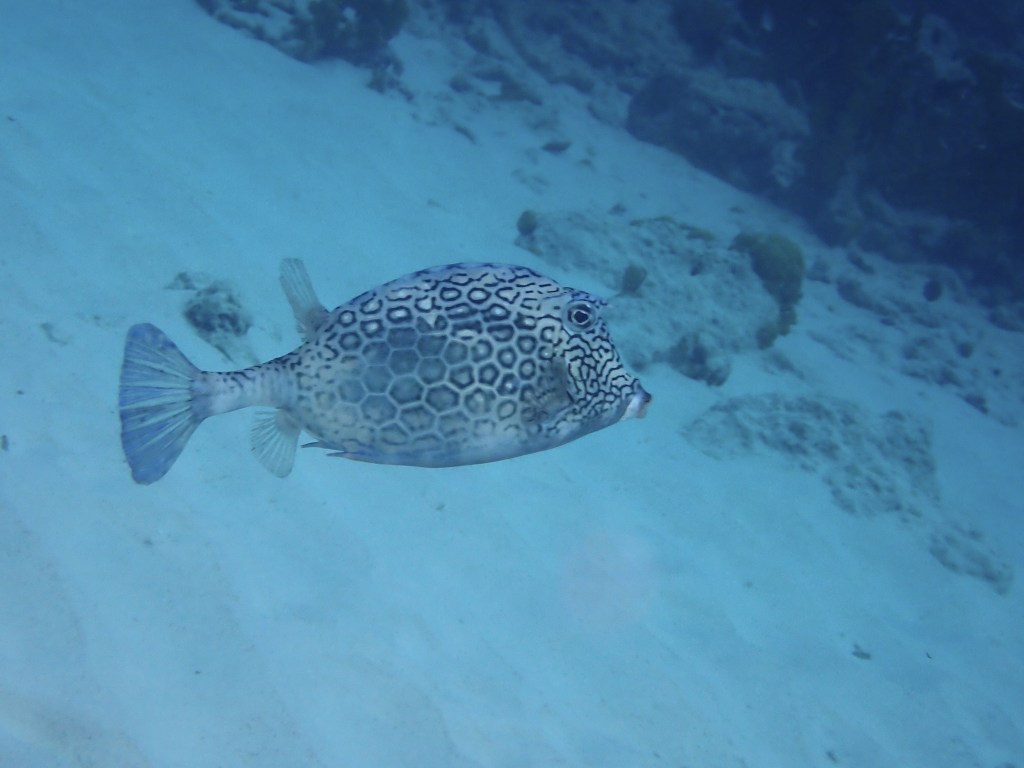
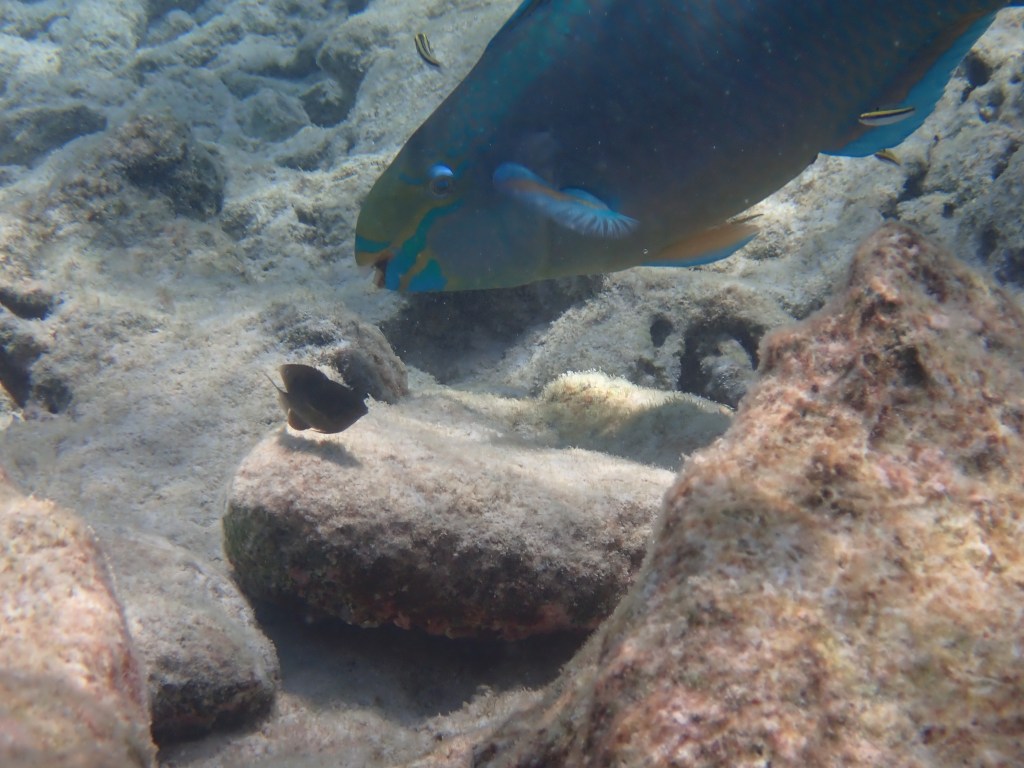
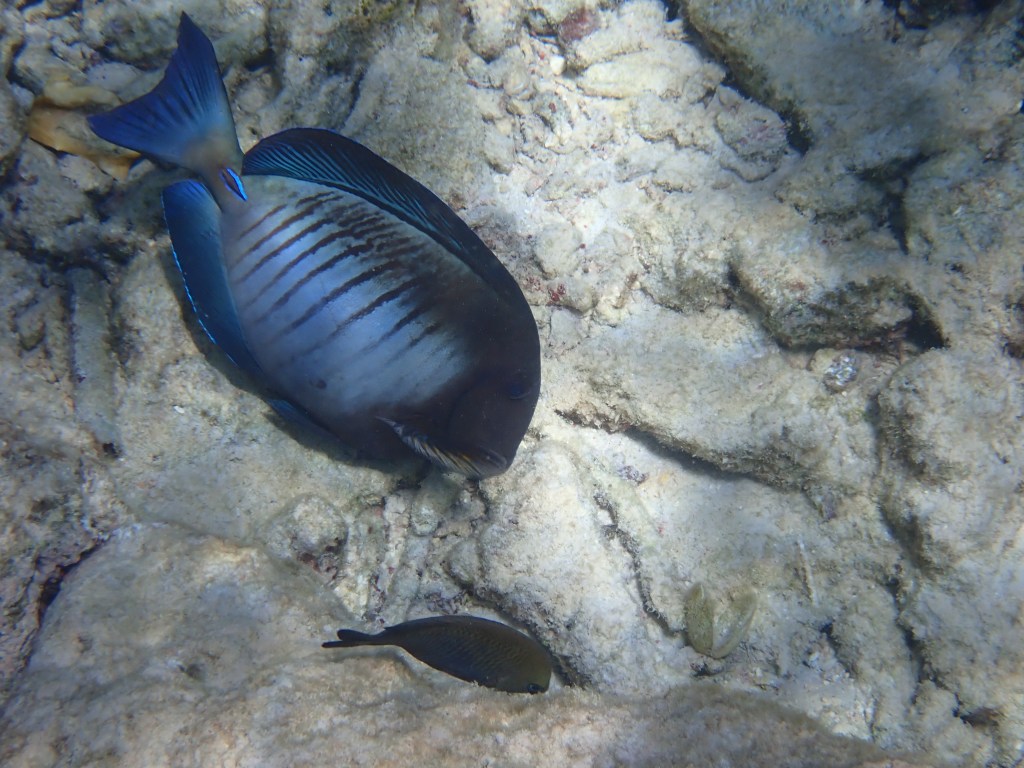
| Fish | bigger | smaller |
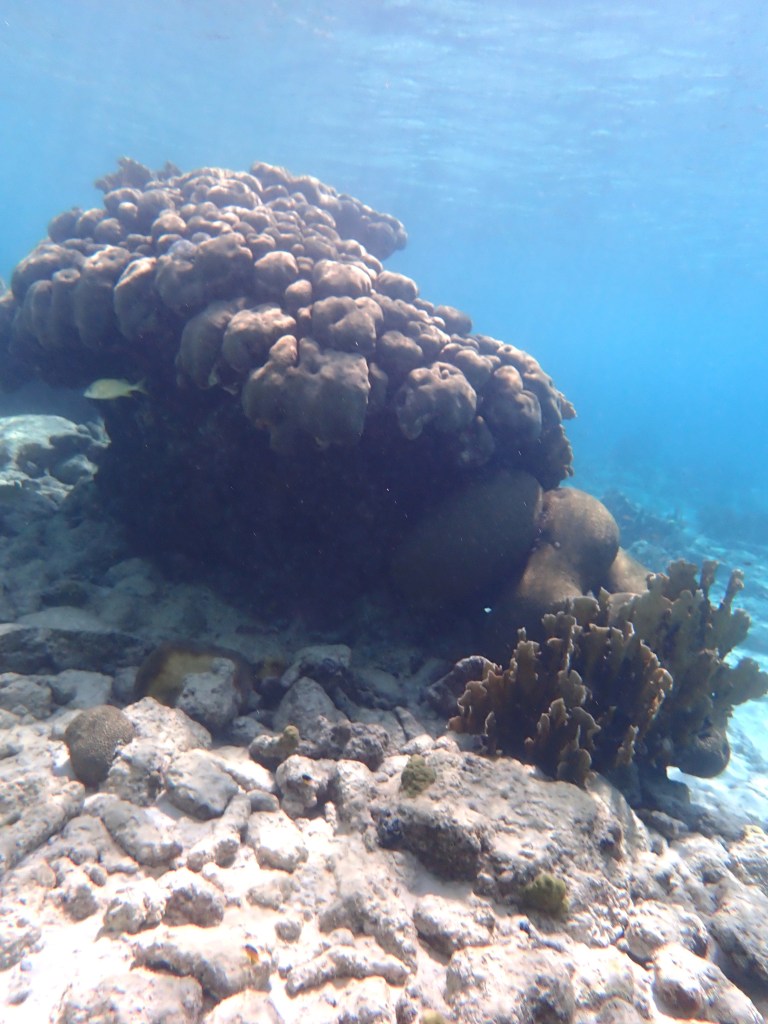
| Corals, hard | small to medium | small to medium |
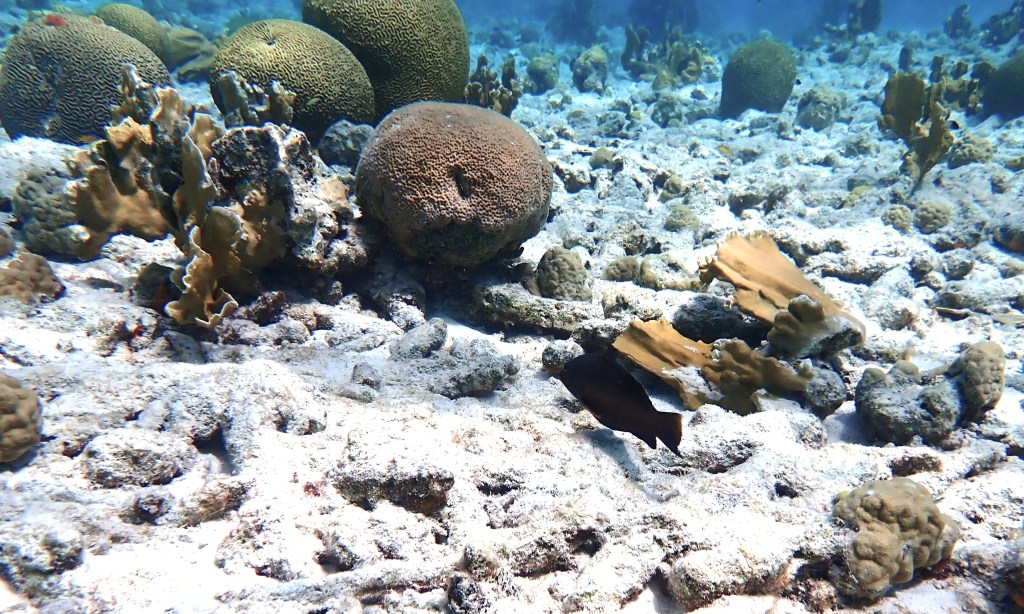
| Corals, soft | depends on the site | prevalent |
| Current | yes | not really |
| Sandy entry | rare | prevalent |
| Wind | prevalent 15-19 mph | protected inlets |
| Surge | depends on the site | depends on the weather |
| Snorkel excursions? | to Klein Bonaire, private guides | to Klein Curacao, private tours |
| Driving | yes | yes |
| Public transport | no | erratic bus |
| Population | 25k | 250k |
| Visitors | Dutch, Americans, cruisers | cruisers, Americans, Dutch |







 Snorkeling Adventures